


The smartest people I know are not the most successful ones. My definition of success is reaching the top of whatever game a person chooses to play.
I enjoy turning complex, pattern-based insights into simple, objective formulas. My approach is shaped by what I’ve seen work for myself and other operators I hold in high regard. The only disclaimer you’ll read here is that this is the reality of what I believe to be true today, and while I have strong views, they are loosely held.
In my experience, life rewards action more than intelligence. Each action opens the door to more opportunities, and those who consistently move from ideas to execution are the ones who succeed. This holds true whether the goal is feeling happy, setting a world record or financial results.
Moving between founder / operator and investor in over the past 10 years has been incredibly insightful. It’s like having the opportunity to look behind the veil into how decisions are made and more importantly what patterns emerge to deliver results.
Action is good. At the core of it, I’ve seen that action comes from a place of wanting to play offense or from taking a defensive position. You can pick this up from listening to people’s words. For example: Defensive thinking: “We’re entering this market to blitz scale, we have proven the model and need to protect ourselves in case our competitors attempt to capture the opportunity first,” Thinking on Offense: “We see an opportunity to win over customers in this market, the customer is underserved and we can build a strong presence before anyone else does.”
But is all action equal? Words are important, and having a positive mindset makes a world of a difference. Even though the result can be the same, the choice is ours whether to approach it from a place of weakness or a place of strength. When our backs are against the wall naturally, the fear of failure becomes the driver, but inspiring others (and ourselves) always works better coming from a place of strength.
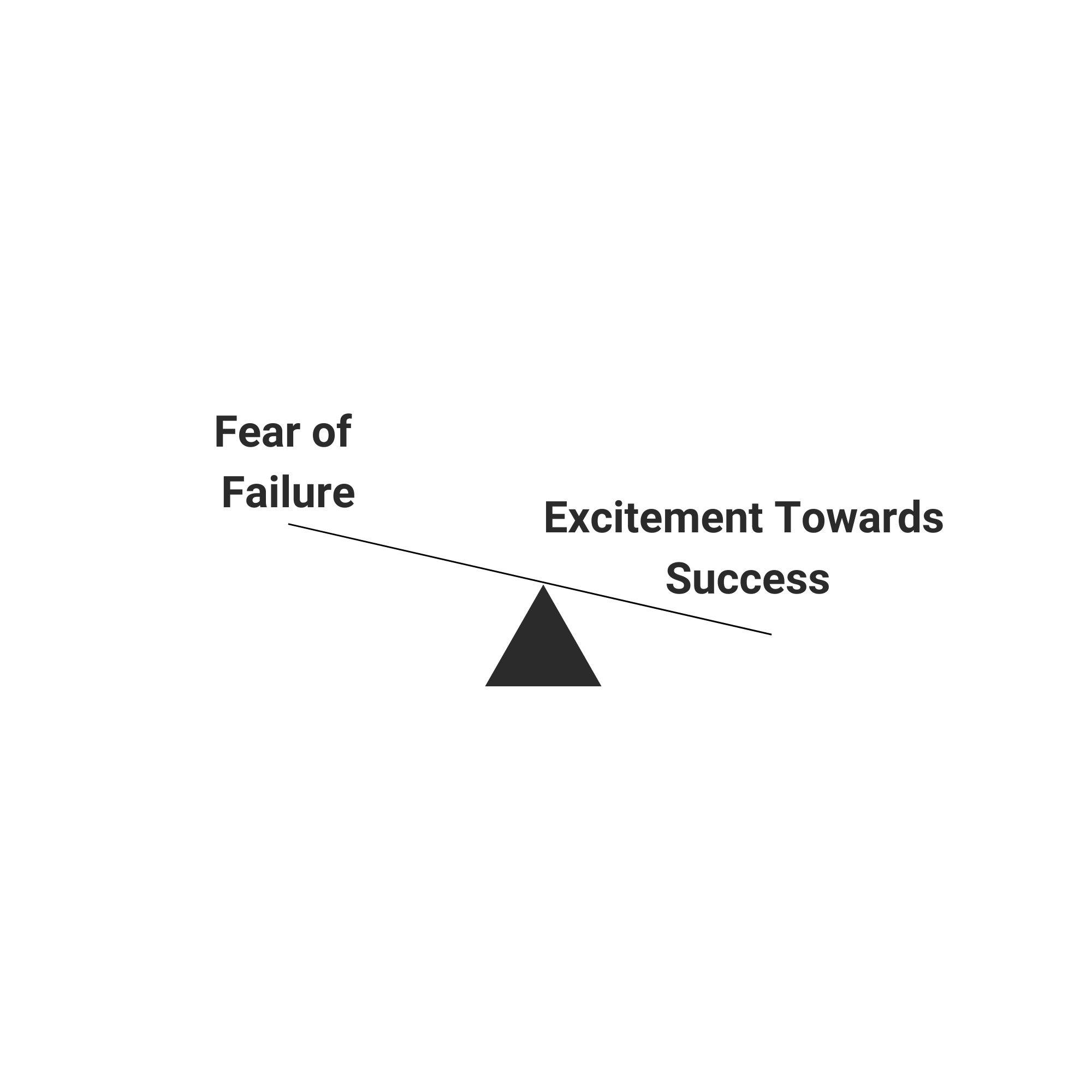
Quick wins are powerful. I use this framework in almost all my projects to kick off momentum. Positive feedback loops transform that vision and positive inner voice into tangible belief. Any building journey or problem solving requires a large number of people to consistently show up for a long enough time, with focus, and early wins accelerates both.
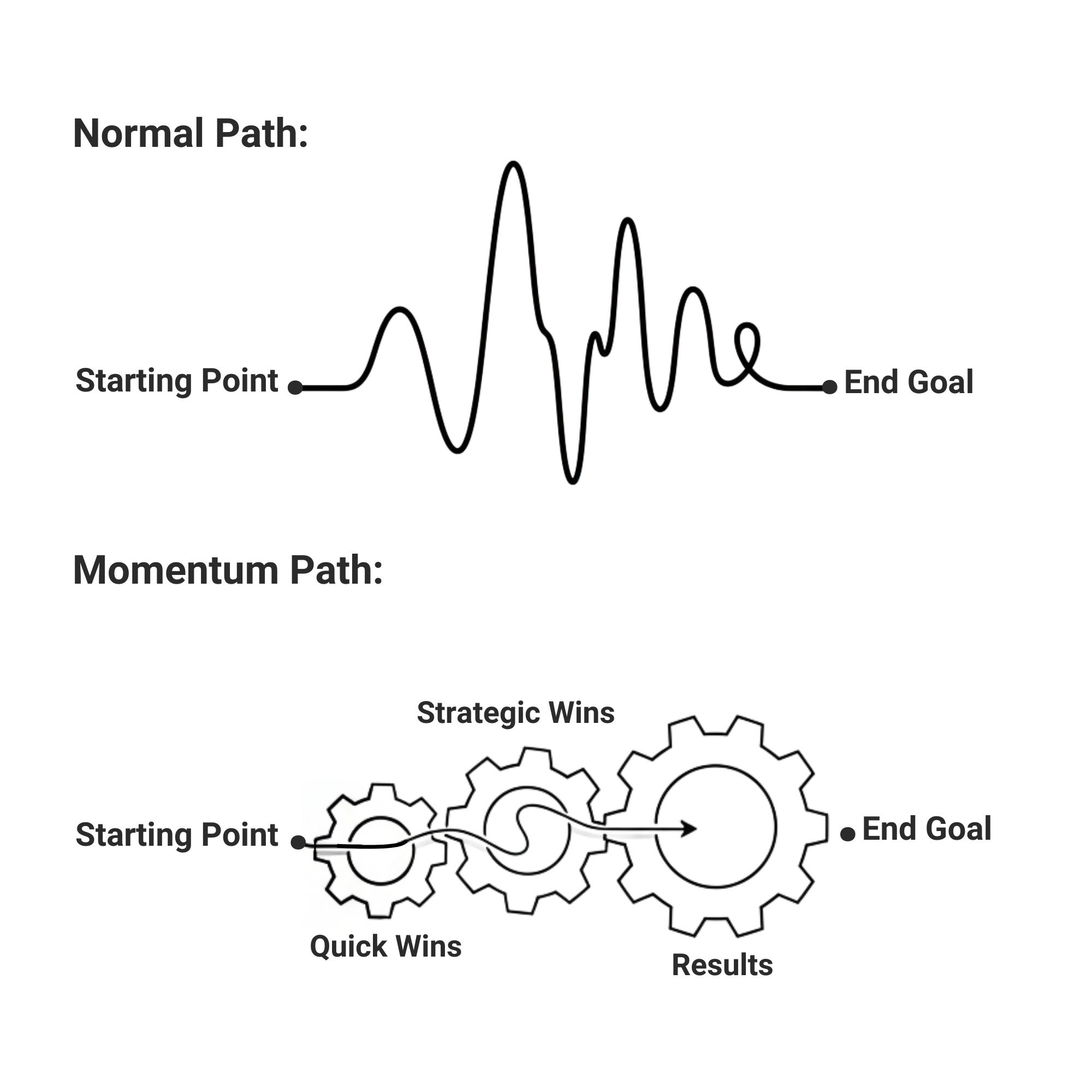
Quick wins turn vision into velocity. Focusing on them is a strategy, not just a tactic. If you are leading a venture-backed startup, velocity is everything. Quick wins are your best friend. They build momentum and belief. To sustain progress, you need habits.
Success doesn’t respond to hope, it responds to habits, consistent actions repeated over time. This is the success formula I have been developing over the past few years and fully believe in. I believe it carries over across both business and life.
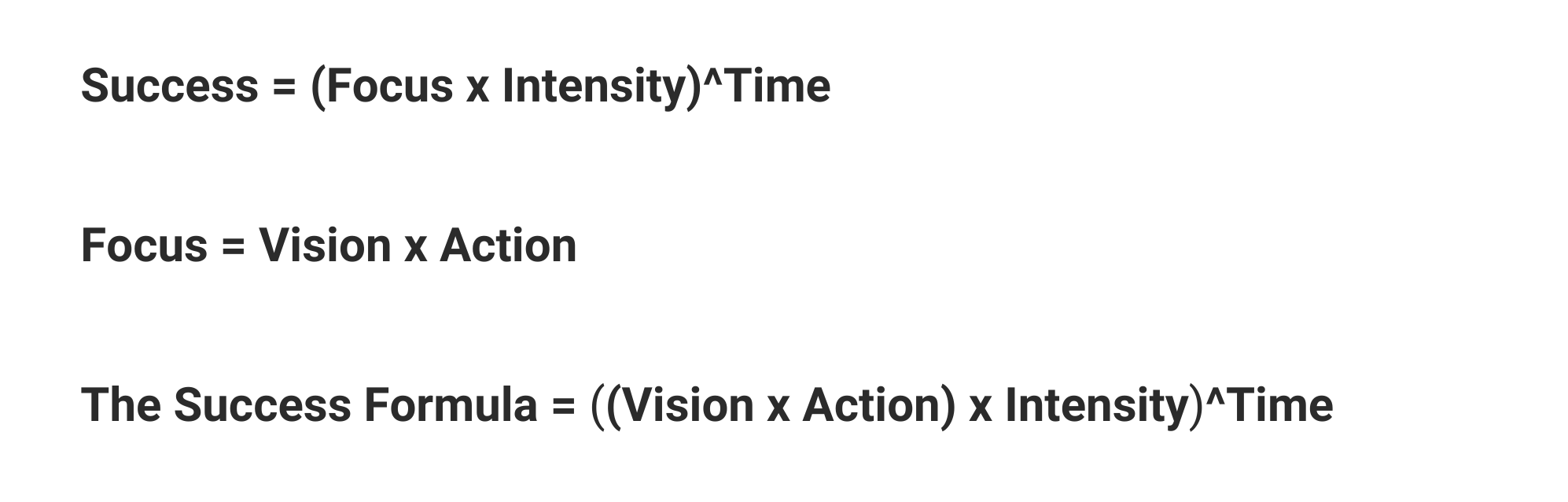
The most powerful force in a startup is not a visionary roadmap. It’s momentum and focus. What if your #1 priority for this month wasn’t a grand strategy, but securing two small wins? Forget tracking performance against the 5-year plan. What’s your 5-day win? Momentum is contagious. That’s how you start the fire. Focus on what’s important, and take action.
"Small quick wins" is definitely the best approach but come disguised with a deadly mindset trap I've seen many leaders carry in my experience.
The most challenging thing with quick wins is uncovering which has the most "lever". A task that requires analytical thinking, data, tooling and a solid strategy with metric trees to unvover... all are rarely defined in big companies let alone startups.
Quick wins for me has always been a great story to preach but incredibly hard to execute
On a side note, I 💯 agree with you that in the event of not having the right foundation or time to uncover those gems... then your best bet is to throw as many arrows and see which one hits the bullseye (which is all about action and velocity). It may take a quarter or two or it may take 4 years. It's solely based on initial gut feeling and feedback loops that improves with time.
Salaam Moayyed, thanks for sharing this.
How do you personally define quick wins?
Are they small, measurable outcomes that prove a system is working, or are they more about emotional momentum, getting people to believe faster? I’ve found that some “quick wins” create real compounding leverage, while others just create temporary enthusiasm. I’m curious how you separate the two in practice.