


A few friends have picked up on my angst and restlessness through my writing recently. Reflecting on a conversation, I realized that I have been working nonstop for the past ten-plus years.
The reality is, I don’t think I’ve ever truly switched off. And when I do, I start thinking about different projects, responsibilities, and more often than not, I make other people’s problems and priorities my own. Part of that allows me to feel useful to others, which is where I derive a lot of my self-worth. That is an unhealthy need that I was only recently able to recognize.
The way I work is simple: I set a target, align with others, and pursue it with relentless urgency. It’s like having blinders on.
I’ve gone through a mixed bag of emotions reflecting on whether that’s a positive or a negative trait. Today, I’m in a place where I accept that my way of working just is. I’m not broken—it’s simply who I am right now. And I intend to lean into it. Anyone who’s worked with me knows that when I obsess, it consumes every free moment. It’s what I think about before I sleep, and what I return to the moment I wake up. Until, eventually, it’s not.
2026 is the year I intentionally build an environment where I can be the most productive version of myself. Part of that means acknowledging something uncomfortable: I don’t know how to rest.
I believe deeply that, just like building muscle, rest is essential for growth. It’s something I preach to any founder I work with, and I insist on it with my teams. But the truth is, I don’t apply it to myself. I struggle to step out of that urgency gear.
When I want to achieve something, I tap into a manufacture psychological state of urgency, sometimes even anger, that sharpens my focus. And once I start seeing results, that momentum creates a short-lived sense of satisfaction, which reinforces the cycle. It becomes a self-fulfilling loop. But it’s artificial. And it comes at a cost only I can see.
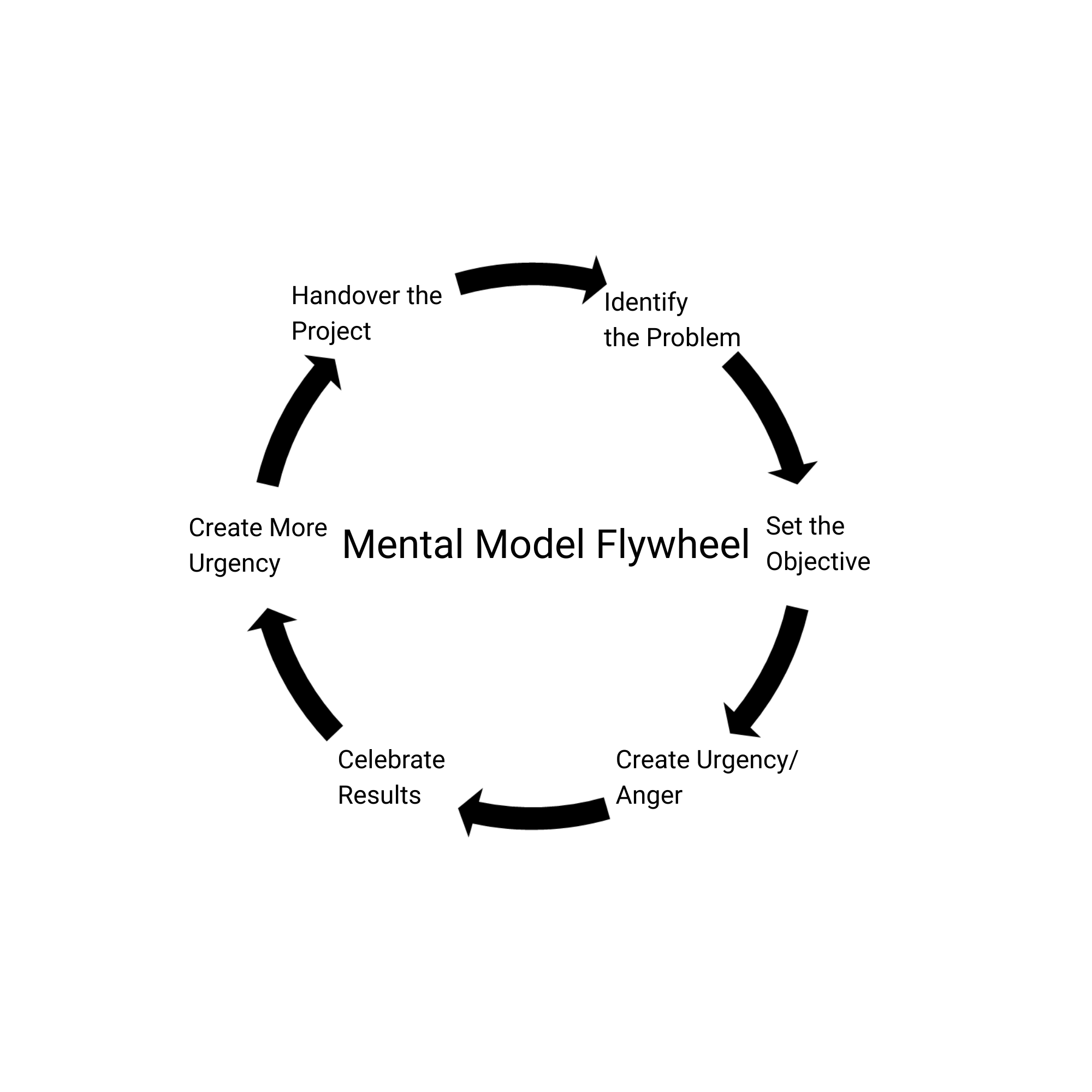
The irony is that my inability to rest is holding me back. It’s a bug, not a feature. Productivity without rest is a broken flywheel. It spins fast, but it burns out. While hustle culture continues to be widely celebrated, I know deeply that the ability to rest is a skill worth mastering.
This is a reflection I’m writing for myself, but I suspect it might resonate with others as well, especially given everything happening around the world. Whether it’s work-related pressure or something far heavier, like conflict and uncertainty, our minds and emotions don’t distinguish. Fatigue arrives all the same.
Rest, in all its forms, is the only real solution.
For me, I’m at my happiest when I feel productive. My office spaces are, strangely, my happy places. Even writing that feels odd, but it’s my truth.

Looking back, that mindset helped me achieve what I set out to do.
It served me until now. But now, I serve it.
I’m not writing this to advocate for taking a vacation. I’m writing this to acknowledge something I’ve been avoiding: the importance of rest. My reflection is simple: if I had built rest into the flywheel, I might have reached a similar outcome (God willing), with the same level of effort, but far less suffering. Thinking of myself as a project might be the only way I can approach this.
And if that’s the case, I’ll need to pursue it with the same urgency.
In running culture they say rest with the same intensity you do your trainings with. Problem is pain/suffering is noble and tingles the ego while resting is meh haha
Very well said, I’ve been constantly finding myself in this loop in past 5-7 years; and just recently I’m realizing that rest / disconnect is a healthy habit paced out thru periods!