


I was speaking with a friend last month and it ended up being one of those conversations that play in the back of mind for a while after it.
My friend (start up founder), was approached to raise money for his startup, the interest came from an individual investor and he felt the responsibility of sharing venture risk with them. He asked rhetorically, do you know the difference between Price and Value (الفرق بين السعر و القيمة)?
His explanation was very simple, he went on to explain to the investor, his assessment of the value of his company was the cash in the bank and whatever contracts he had in his pipeline. The price on the other hand, was the minimum valuation he would accept to bring investors into his company. He explained that in his company, the price was much higher than the value today, as long as the investor acknowledged that, he was comfortable taking his investment.
There’s a clear disconnect between the two concepts of value and price that I thought he captured so simply. So what number should an investor target or use, and what’s the figure a founder or business owner should optimize for?
The value of anything is subjective because value is assessed by humans, and different people have different needs, hence they will value things differently. There are a bunch of academic methods investors use to attempt to eliminate that subjectivity, I’ll name a few for reference including the VC Method, Future Cash Flow Method and the Market Method among many others.
What makes a successful investment? Investments come in the form of time, money or resource. At it’s core, investing is the idea of giving something up today with the plan to get more later. Almost like delayed gratification (very similar to the Marshmallow Test). Going back to the example above, a good investment is when the future expected value is higher than the price today (+ the cost of capital) that investors should invest.
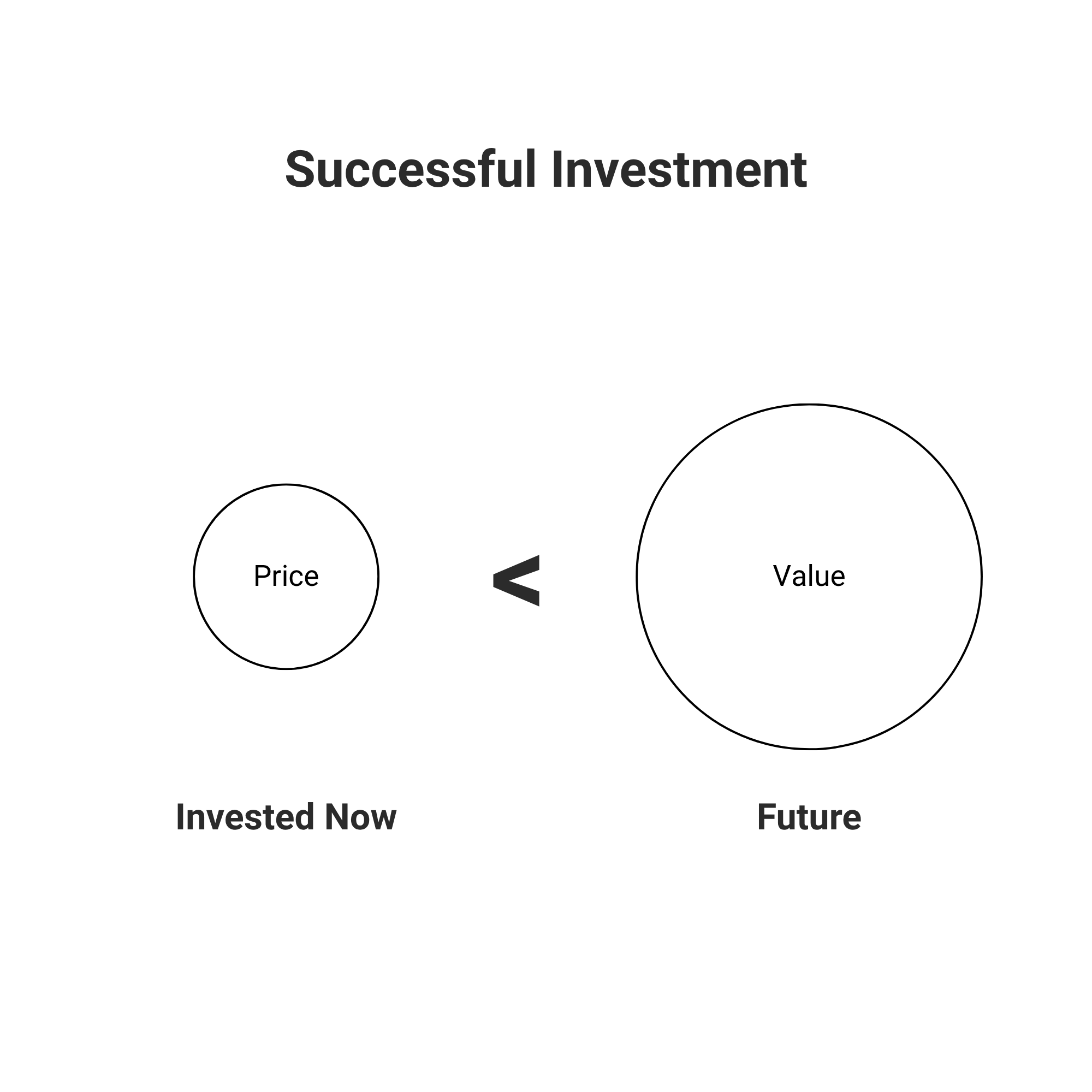
The market is a beautiful phenomena that allows price discovery to take place between what a person is willing to sell for and what investors are willing to investing at. The more predictable the end outcome, the easier it is for price discovery to happen. Venture Capital or investment in startups is on the far end of predictability because of the time component of the outcome being 8-10 years away, if you’re lucky.
My reflection from the conversation is that we are all investors. With our time, with our emotions, with our effort and with our capital (money). Yet, it’s easy to treat decisions with long term outcomes with the same weight that we give to decision with near term outcomes. An example, we are happy to invest months planning a trip, but probably invest less time on writing a life philosophy or career plan.
Back to my friend, what was he really saying? Here’s what I think he was saying. I think he was telling the investor he would feel comfortable taking his investment if he recognizes that there is risk in this being a good investment because of the price today being higher than the value today, and the future value has significant risk associated with it. The probability of success is low, but the potential future outcome is large. I get it, he wants to make sure his investors know that they are getting into from the start.
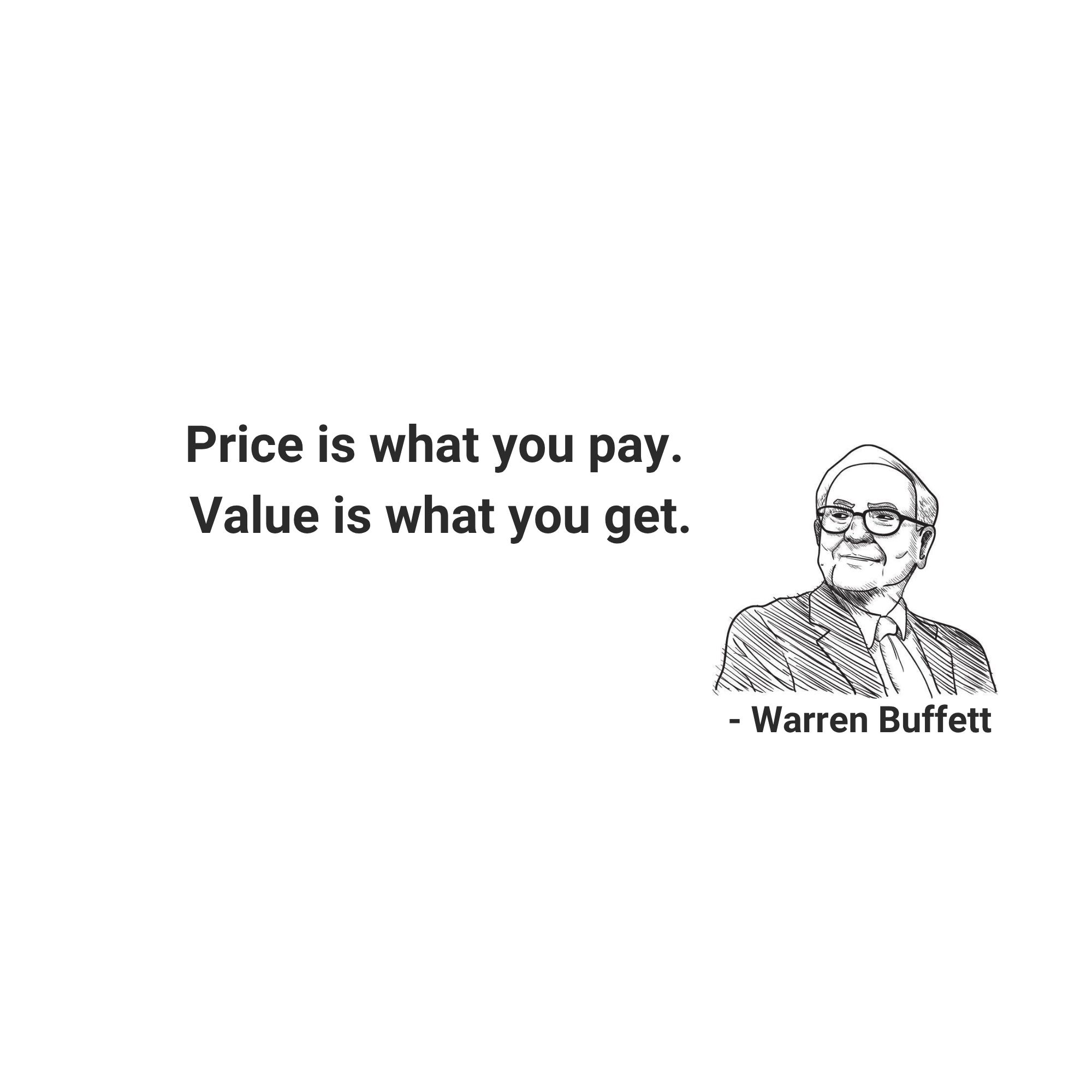
I’m clearly obsessing over drawing parallels between investing and life, because life is precious and time is finite. Am I investing my time today in the right places? Will the the price I’m paying today lead to a larger future value?
I wonder if I’ll invest the time to answer that one day.
Amazing words!! I wish I hadn’t finished it so quickly
Great read. I would add that price perception is highly influenced by the density of demand for your idea, investment or product. But value is less likely to be.